
 8662170586
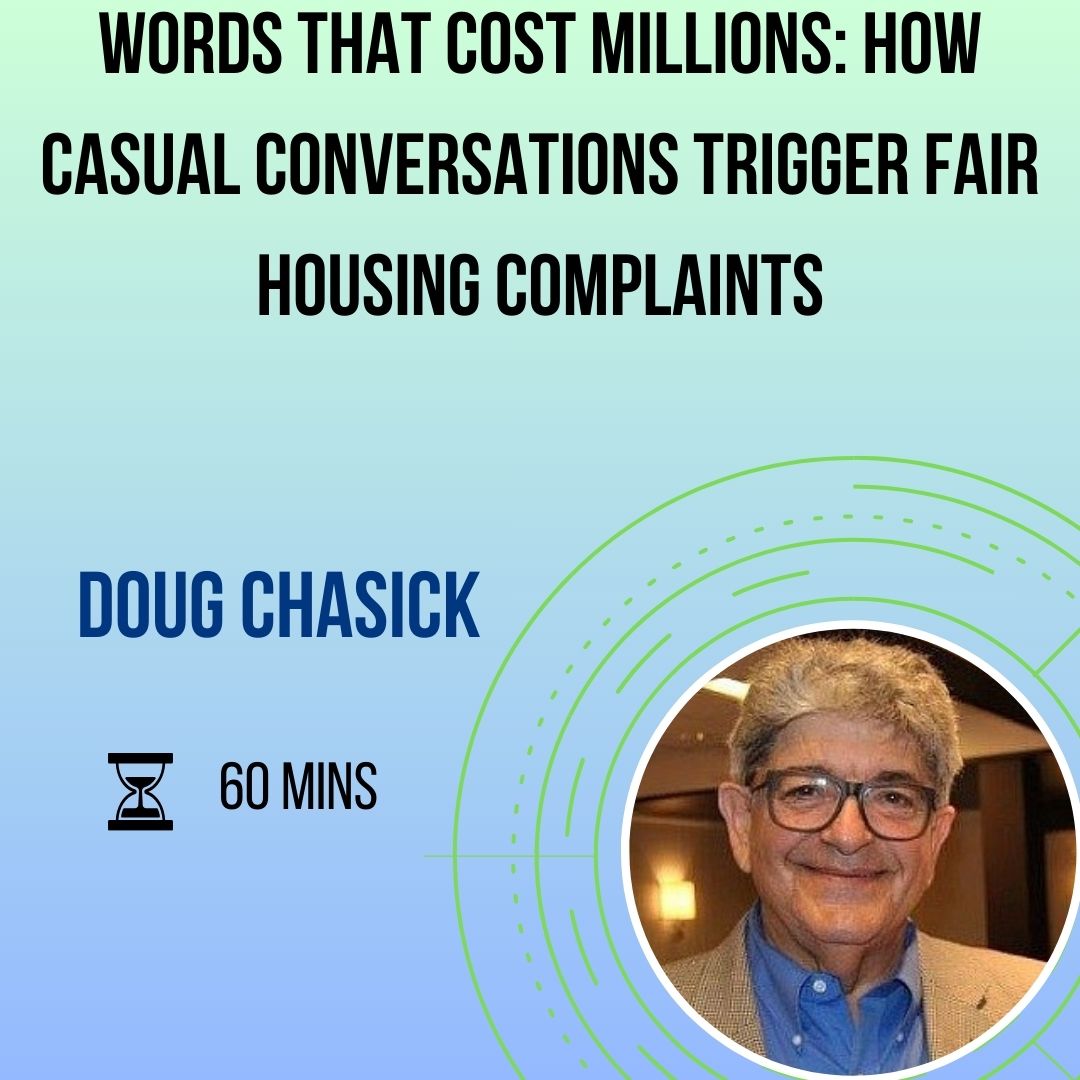
Words That Cost Millions: How Casual Conversations Trigger Fair Housing Complaints
The Lawsuit You Never Meant to Start: Fair Housing Risks Hidden in Everyday Conversations
Every interaction tells a story
A voicemail left in a rush
A property tour description meant to be “helpful.
” A quick answer to what feels like a harmless question.
In today’s enforcement climate, those moments are no longer casual—they’re evidence.
Fair Housing complaints increasingly hinge on how information is delivered, not whether discrimination was intended. Investigators and testers are listening for inconsistencies, coded language, and subtle differences in tone that suggest steering, profiling, or unequal treatment.
Most violations don’t come from bad actors. They come from professionals doing their jobs— answering questions, building rapport, and trying to be accommodating—without realizing how easily language can cross a legal line.
What you say matters.
What you don’t say matters.
And how consistently you say it may matter most of all.
This session breaks down the communication pitfalls that quietly expose properties to complaints, audits, and lawsuits—often without staff realizing anything went wrong.
Topics We’ll Explore:
Why Consistency Protects You
- How unscripted conversations create liability—even when policies are compliant
Descriptions That Drift into Steering
- Where “selling the community” becomes a Fair Housing risk
Handling Accommodation Requests Without Over- or Under-Responding
- The legal balance required in real-time conversations
Familial Status Traps
- How “safety,” “noise,” and “layout” discussions trigger complaints
Phone Calls Under the Microscope
- Linguistic profiling and what testers are trained to listen for
Assistance Animals: Talking the Talk
- Correct language, documentation boundaries, and common missteps
Documentation That Helps—or Hurts—Your Defense
- When notes, emails, and follow-ups become evidence
What Participants Will Learn :
- How to separate objective property information from subjective commentary
- Techniques to deliver identical information across prospects, platforms, and staff
- Compliant responses to accommodation and modification requests
- How to engage in the legally required interactive process—without saying too much
- How to identify and eliminate subtle steering language • Communication strategies that reduce escalation and complaints
- Practical standards for compliant, professional housing conversations
Who Should Attend:
- Community Managers & Directors
- Area & Regional Managers
- Leasing Managers & Leasing Professionals
- Maintenance & Service Managers
- Maintenance & Service Team Members
- Training, HR, and Compliance Professionals
Couldn't load pickup availability
Speaker Detail

Doug Chasick, CPM®, CAPS, Adv. RAM, SLE,
Webinar Information
- Duration : 60 Mins
- Date / Time(EST) :
Send us a message
Contact Us
Phone
8662170586
Email Support
support@webcon60.com